Workshops
Workshop 5: Challenges & Tools for Active Citizens
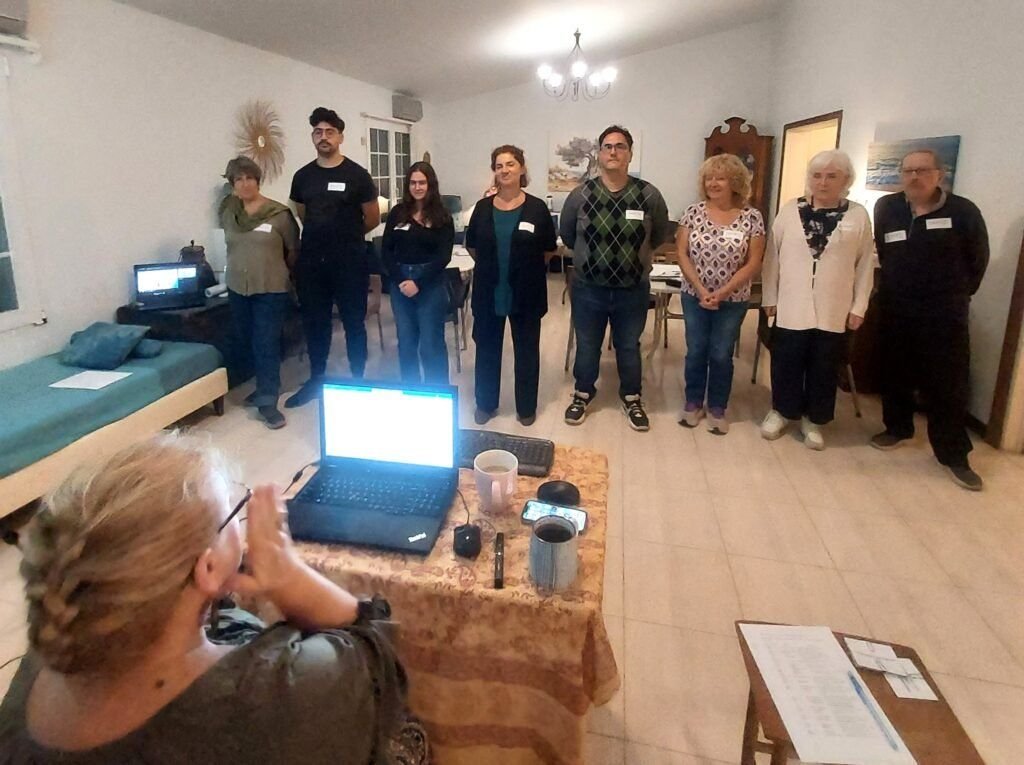
Burnout, conflict, boundaries and feedback: through role play and reflection, participants explored what exhausts a group, what makes it resilient — and one small, feasible next step.
Stories, events and progress from Guardians of the Coasts in Greece and Portugal.
Burnout, conflict, boundaries and feedback: through role play and reflection, participants explored what exhausts a group, what makes it resilient — and one small, feasible next step.
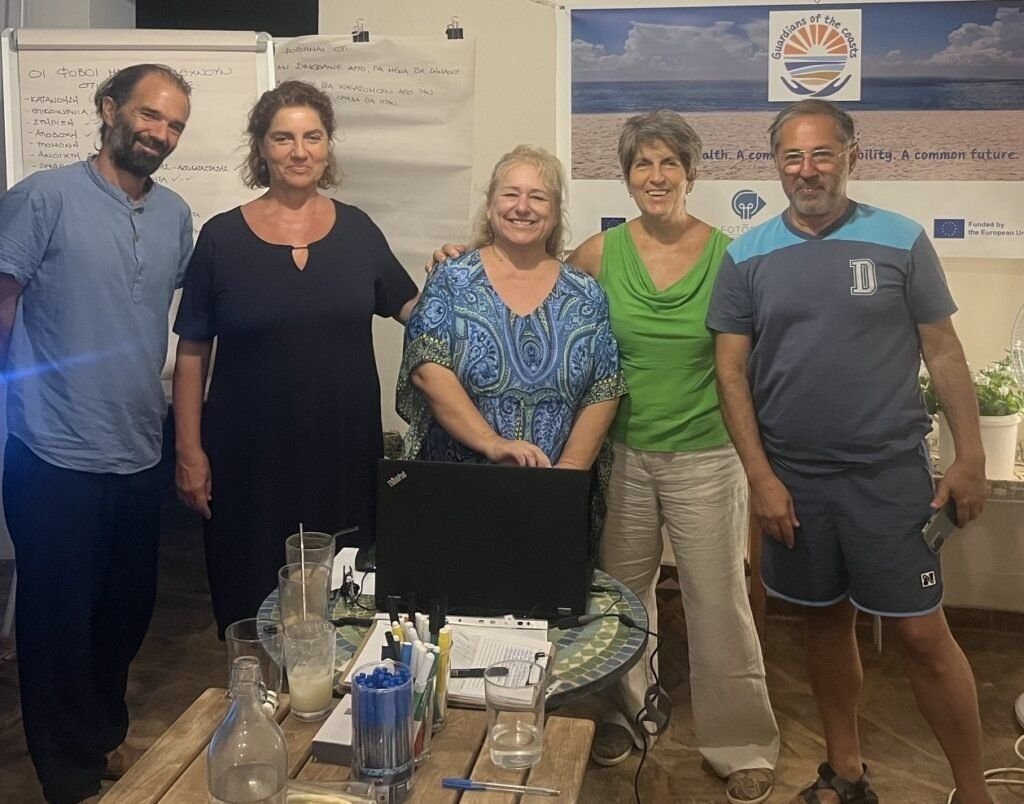
For a local group in formation: what each person wants, can offer and fears — and how differences become a shared way of working built on trust.
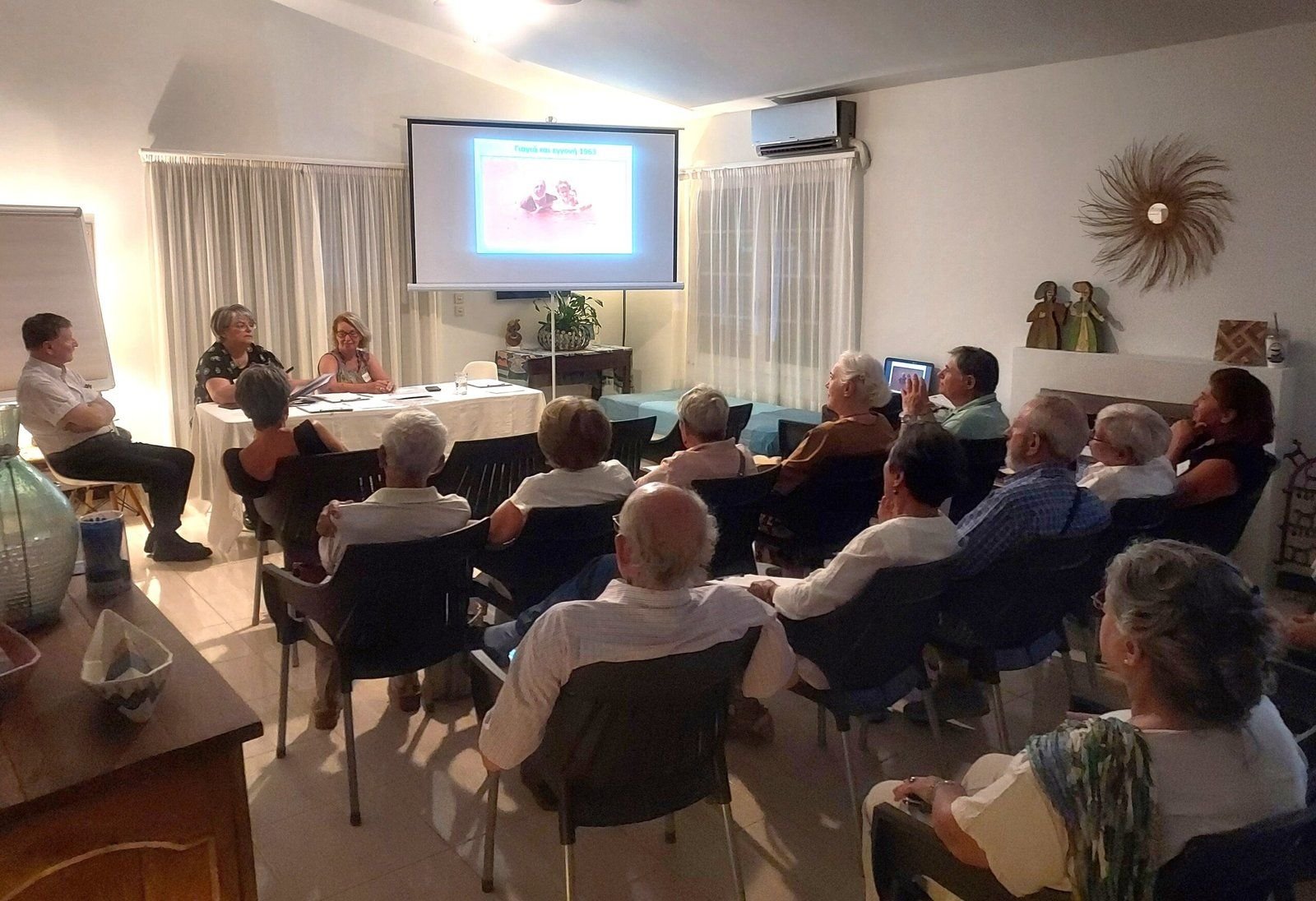
What is worth carrying from the beaches of yesterday to the beaches of tomorrow? Participants moved from shared memories to a common vision for the coast.
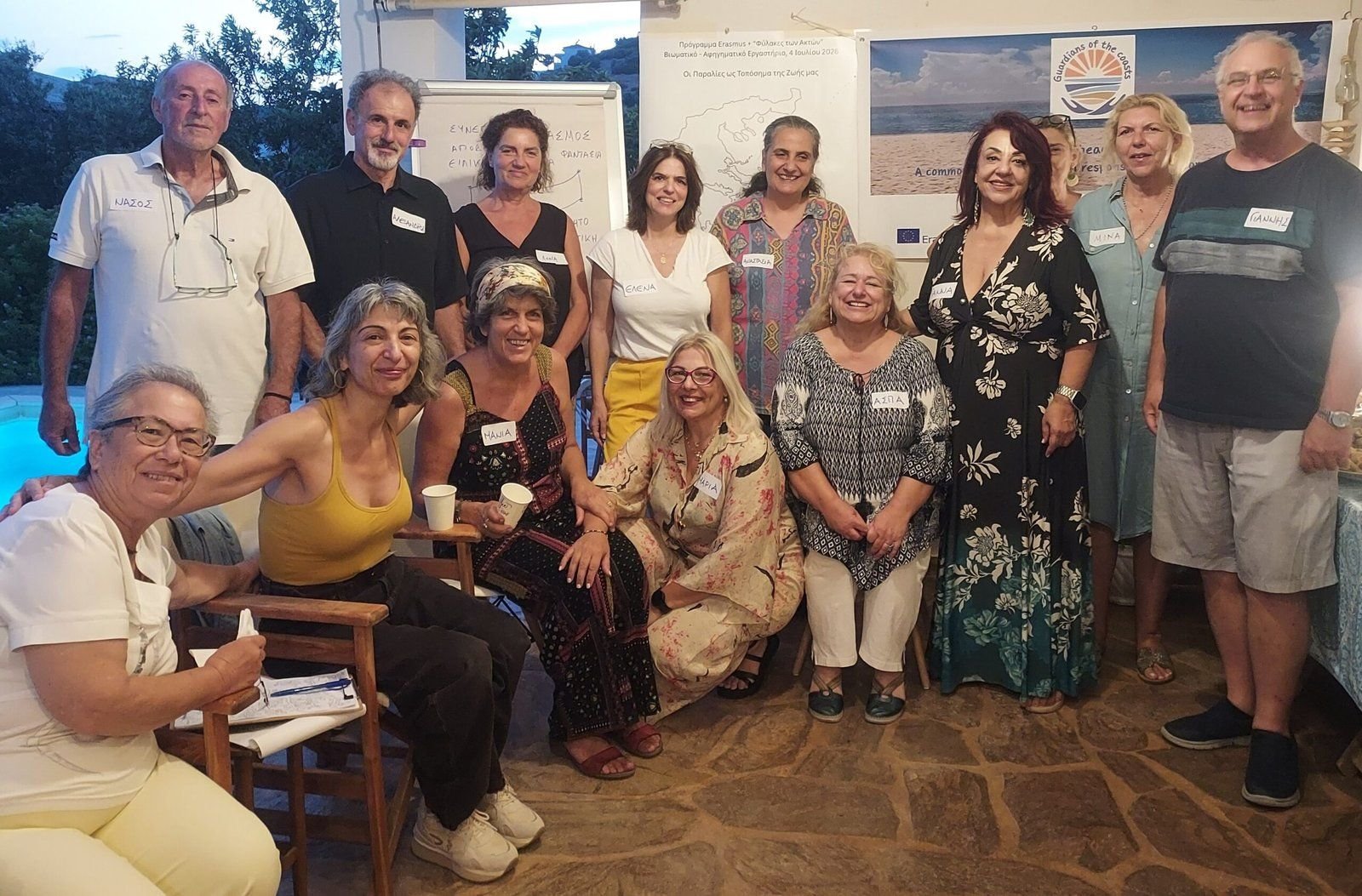
Using narrative inquiry, participants explored how specific beaches have shaped their lives and identities — and why the places we love become the places we want to protect.
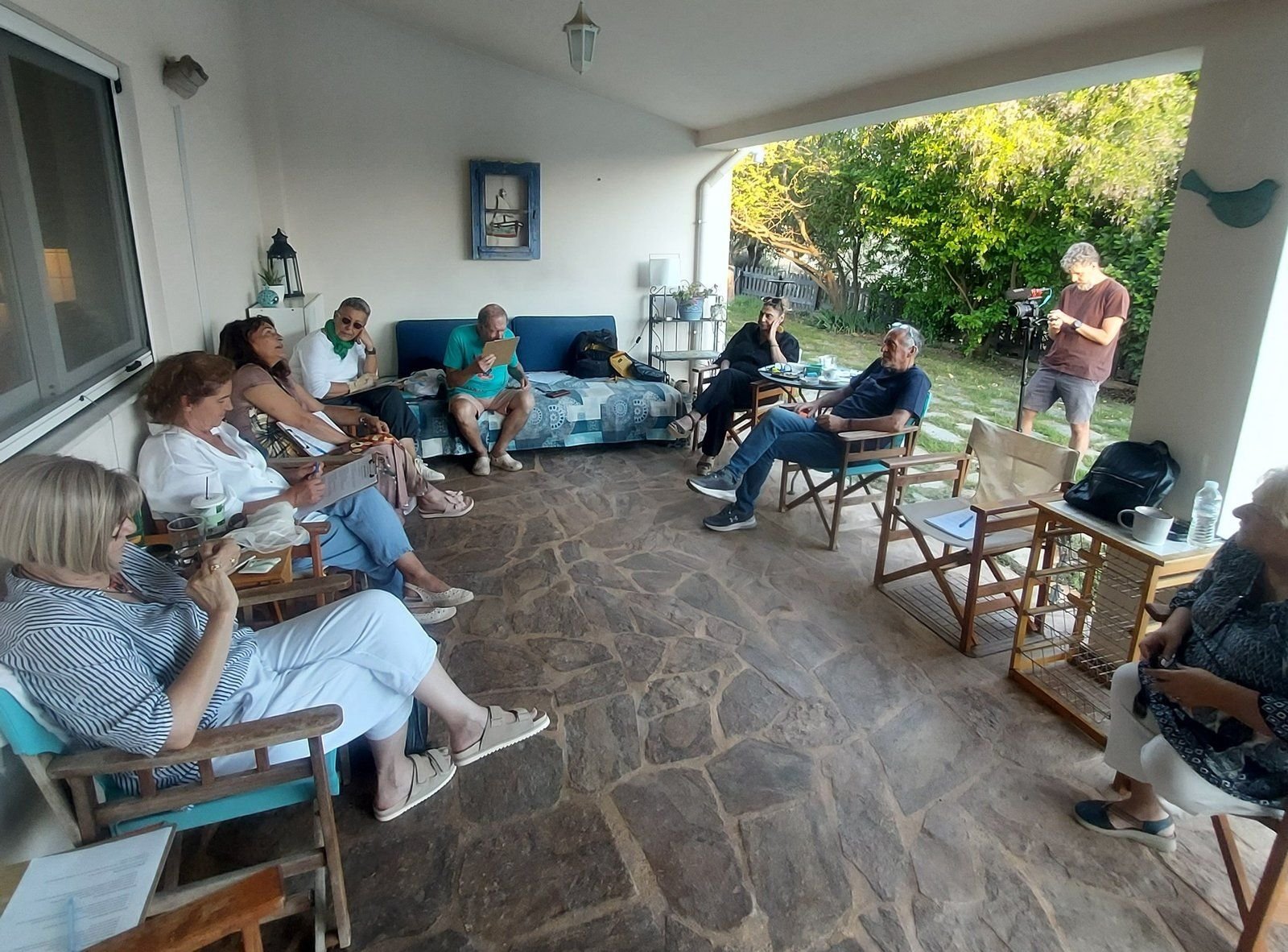
The project’s first educational action: active citizens shared how their initiatives were born and evolved, turning personal stories into shared knowledge and a stronger sense of community.
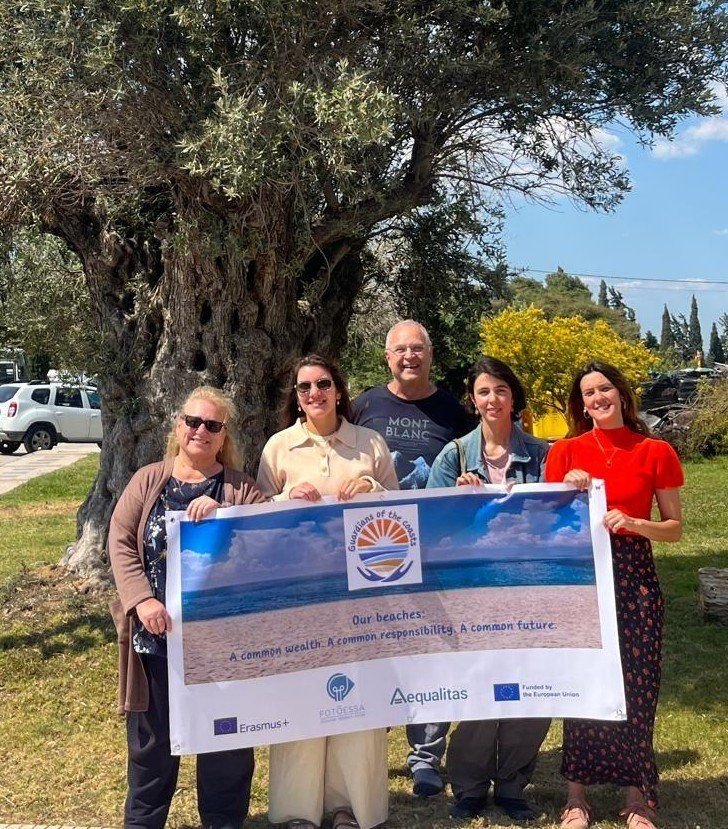
Local government, scientists, lawyers and active citizens: in Greece, the Guardians of the Coasts partners discovered that coastal protection is born when different forms of knowledge and action come together.
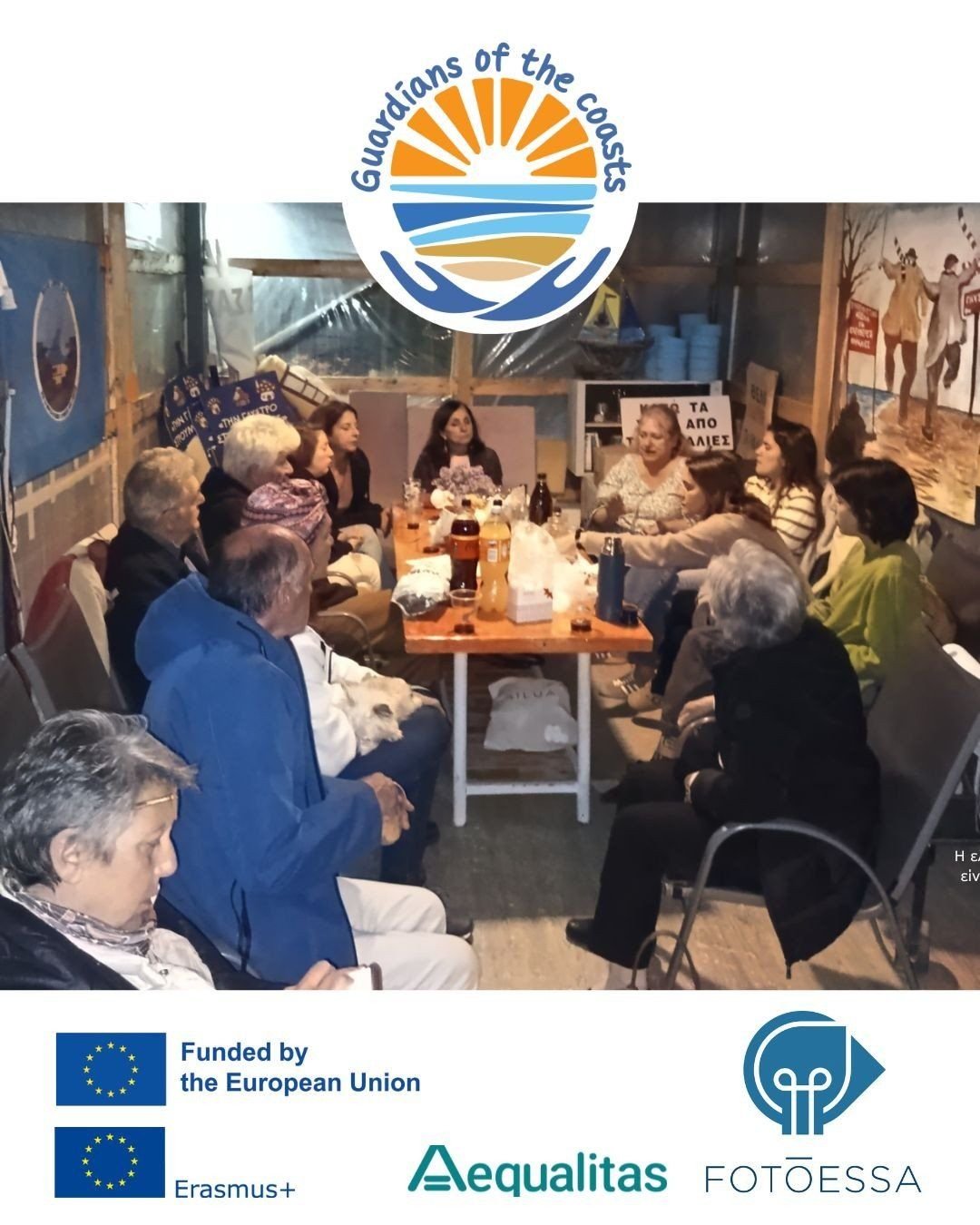
The Guardians of the Coasts partners visited the permanent watch post of the “Free Beaches” citizens’ movement at Glystra, Lagonisi, and saw how love for a place becomes a daily act of responsibility.
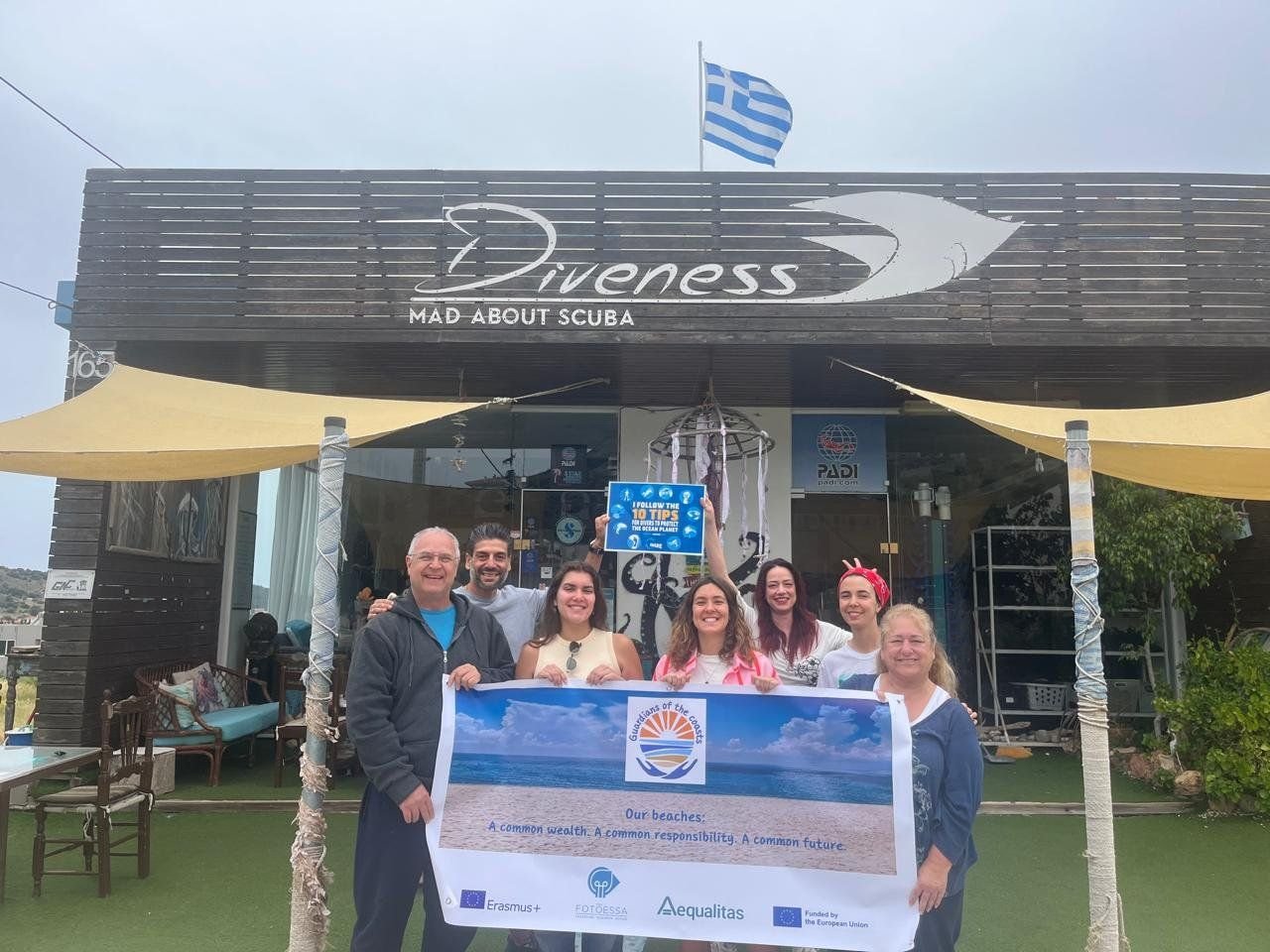
The Guardians of the Coasts partners met diving instructors Angeliki Spanea and Giannis Angelakos at Diveness and learned about thirteen years of volunteer seabed and beach clean-ups.
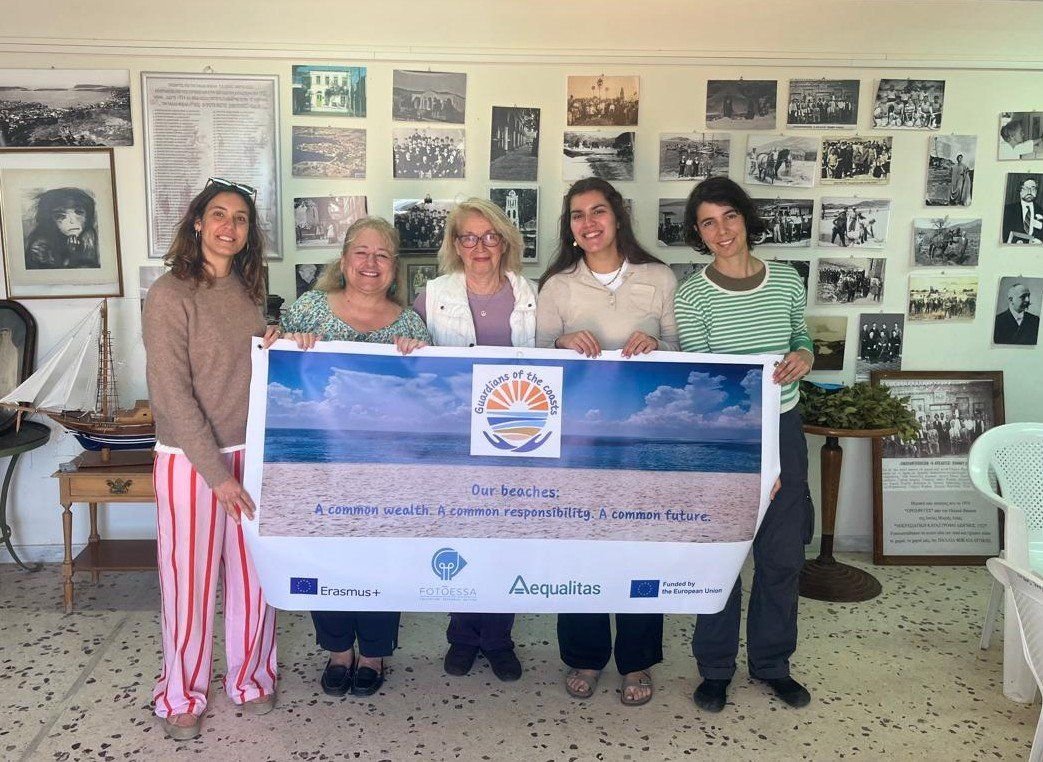
The partners met Zacharo Fratzeskou of “Fokaeon Politeia”: coasts are not only natural ecosystems but also carriers of historical memory, culture and collective identity.
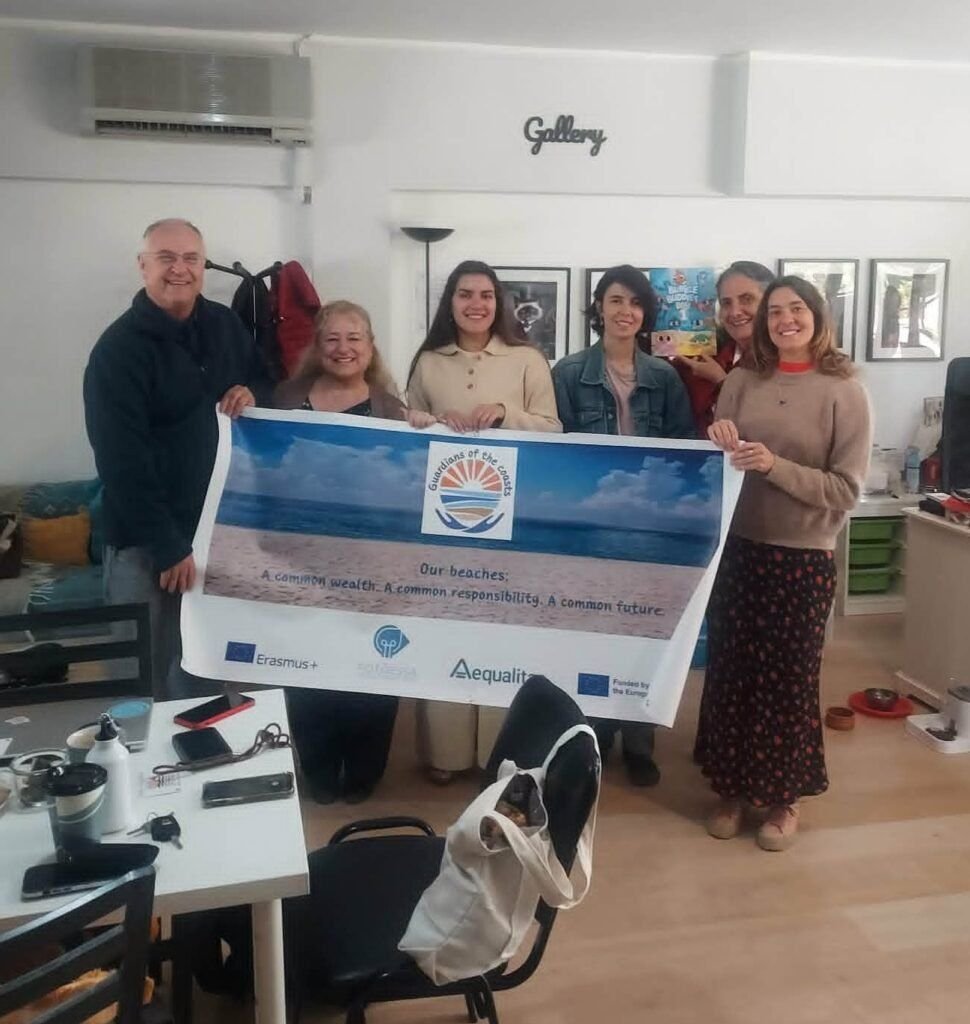
The Guardians of the Coasts partners met educator and volunteer coordinator Anastasia Ioannidou, who spoke about education, personal responsibility and volunteering as the foundations of active citizenship.
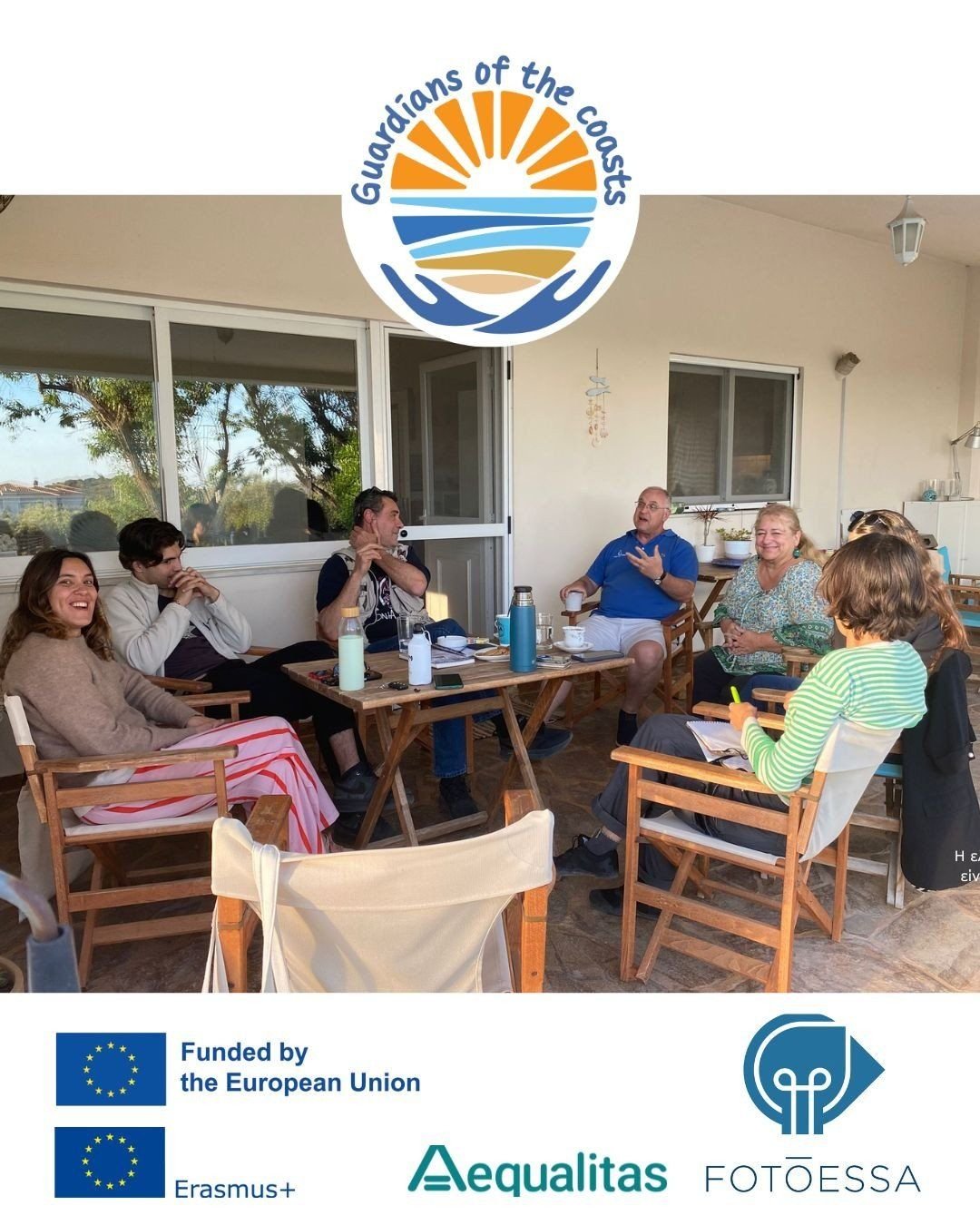
Fotoessa and the Portuguese partners met activist Christos Kotsireas, a member of the Free Beaches Movement, to explore what brings people with different experiences together around a common purpose.
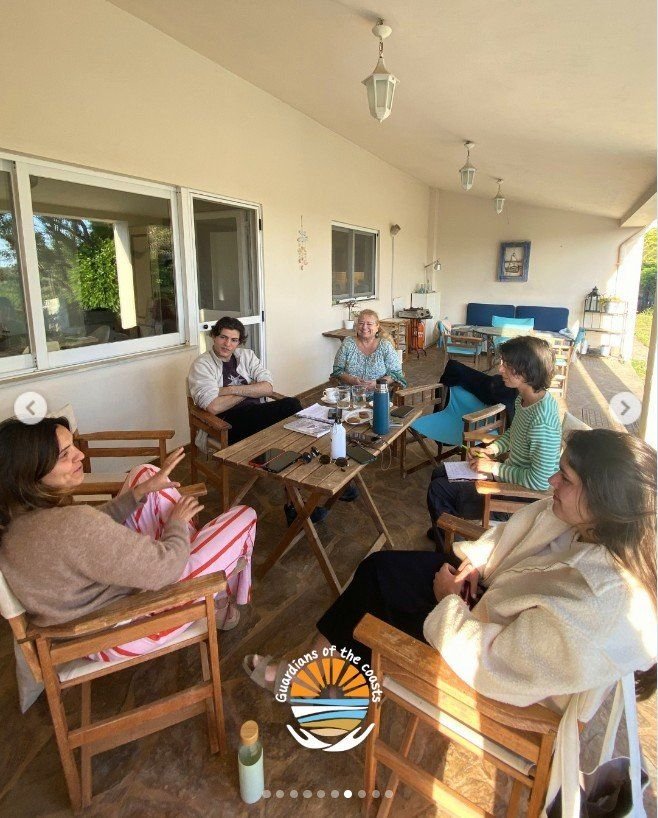
How can citizens defend a right if they do not know they have it? The project partners met Gavriil Kokkinis, President of the Saronikos Youth Municipal Council, to discuss the right of free access to the coast.
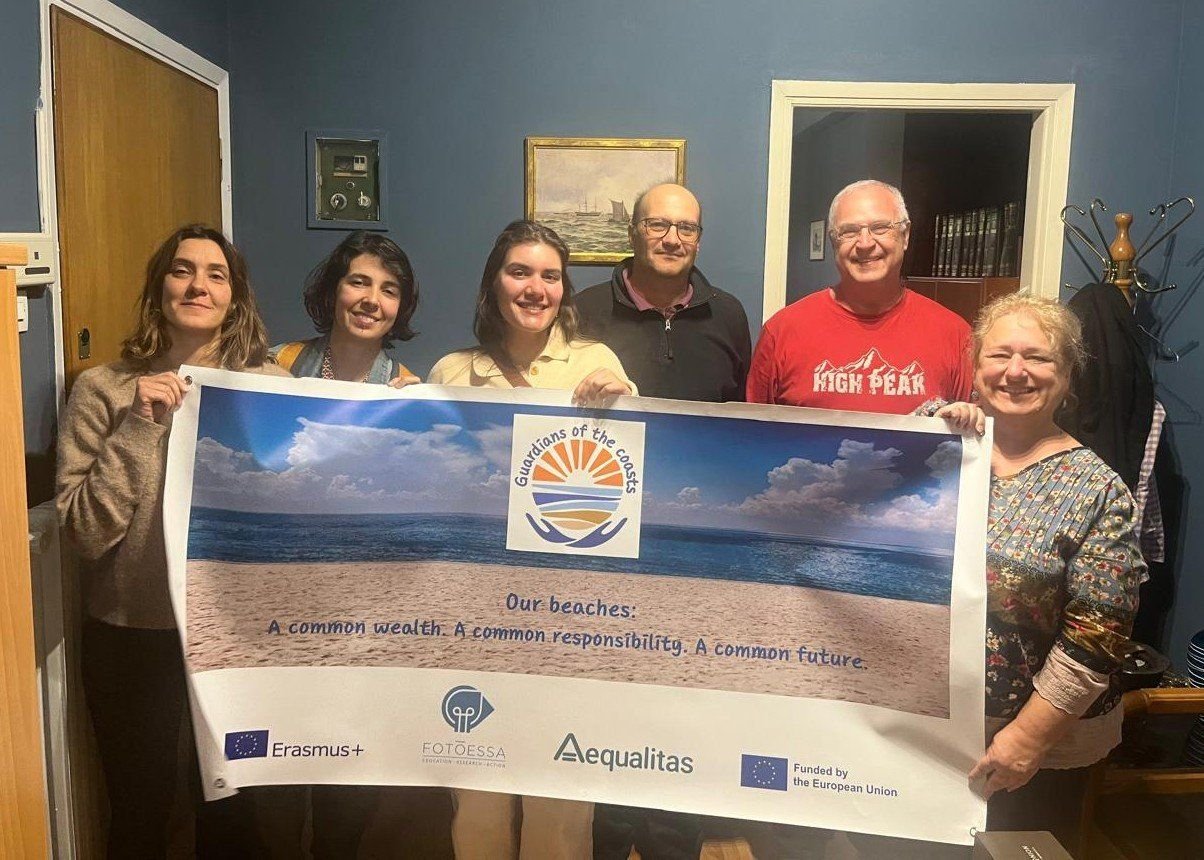
Fotoessa and the Portuguese partners Impactrip and Aequalitas met lawyer Antonis Sifakis to discuss the legal framework protecting the Greek foreshore and beaches, and the role citizens can play in protecting the coast.
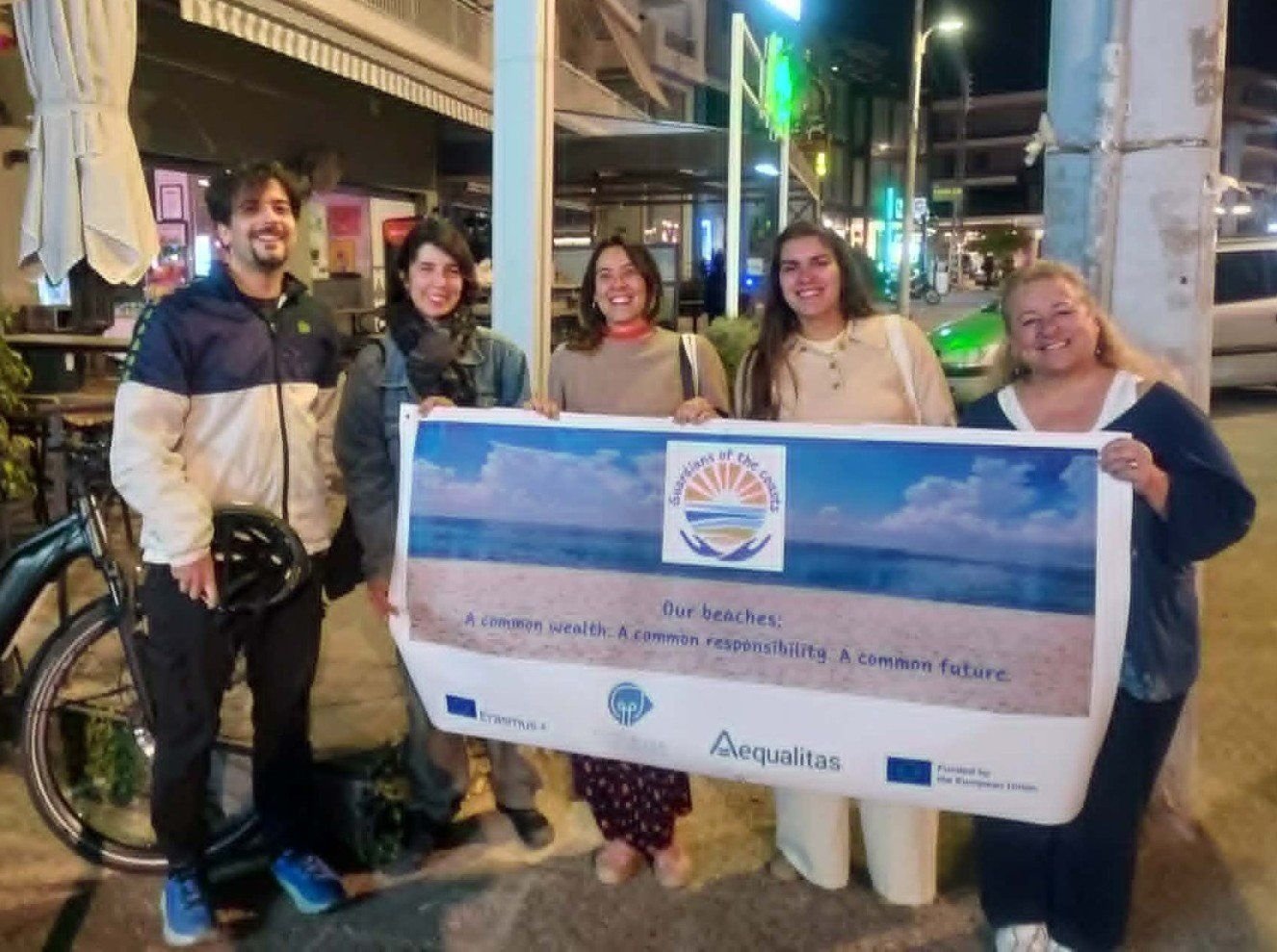
Fotoessa and the Portuguese partners met climatologist Dr Iasonas Markantonis to discuss the challenges facing the coasts of Greece and Portugal: overdevelopment, unchecked tourism and free access to beaches.
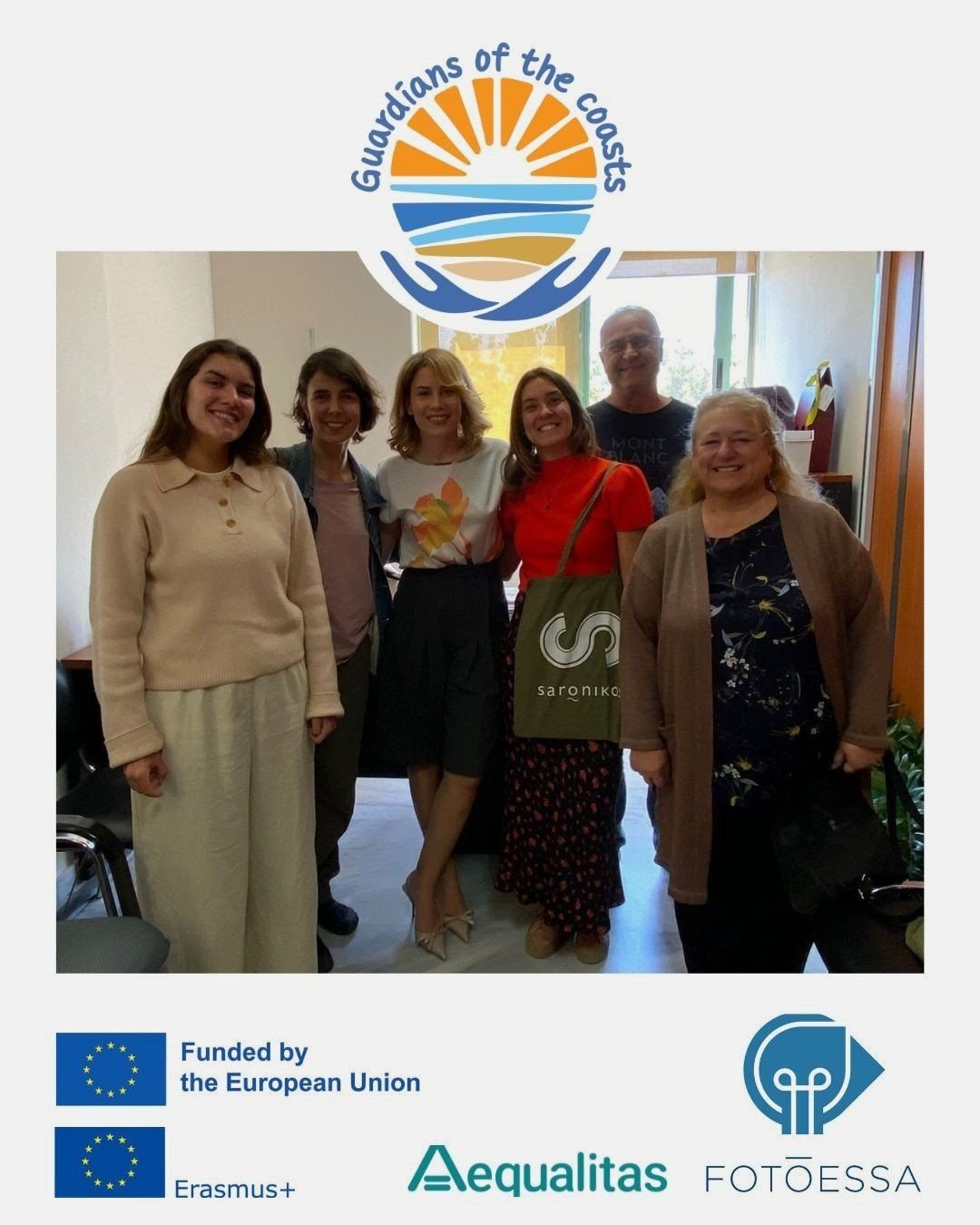
Fotoessa and the Portuguese partners met Deputy Mayor for Tourism Viktoria Simitzi Mykoniati to discuss sustainable tourism, coastal protection and cooperation between local stakeholders in Saronikos.
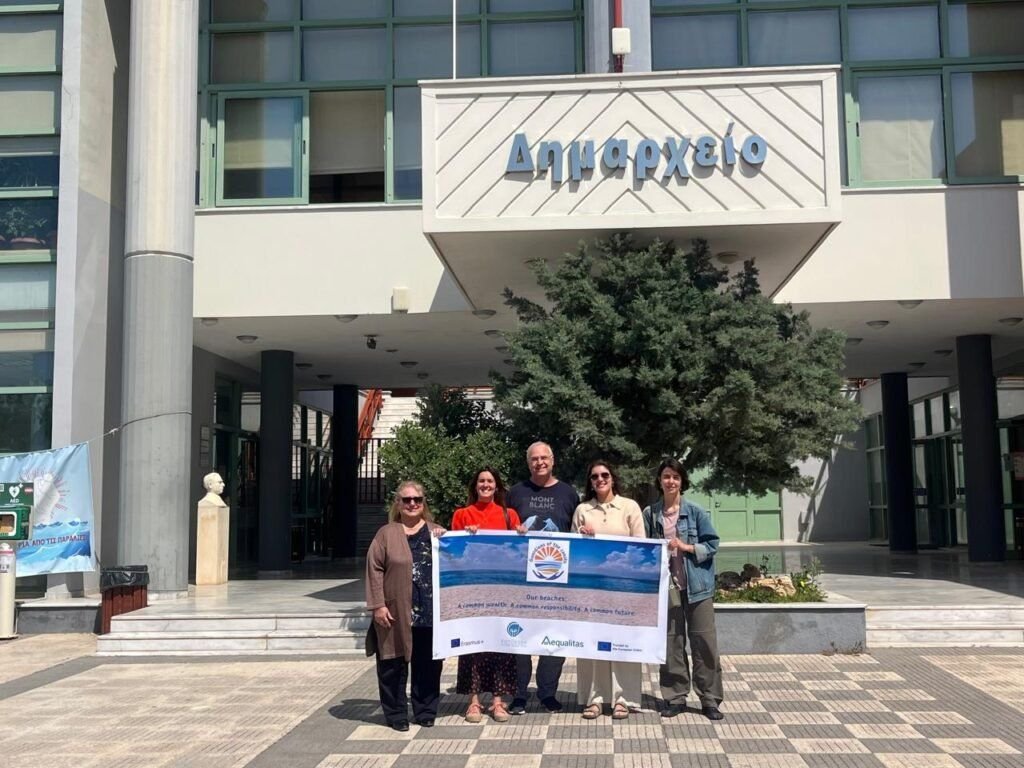
Fotoessa and the Portuguese partners from Aequalitas and Impactrip met the Mayor of Saronikos, Dimitris Papachristou, to discuss protecting the coastal environment and safeguarding citizens’ free access to beaches.
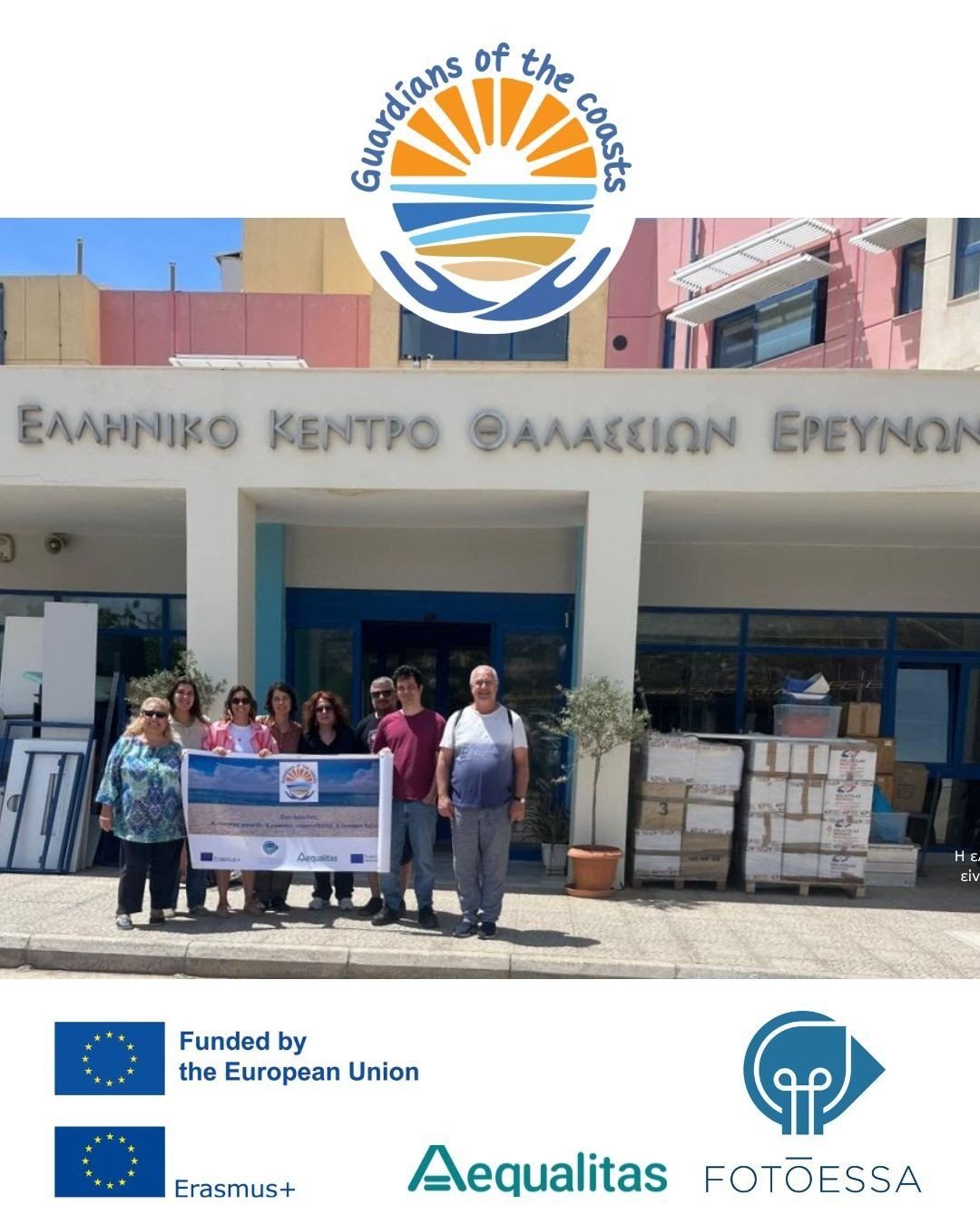
The Fotoessa team and our Portuguese partners visited the Hellenic Centre for Marine Research to discuss coastal erosion, Posidonia meadows and the role of active citizens in protecting the coasts.
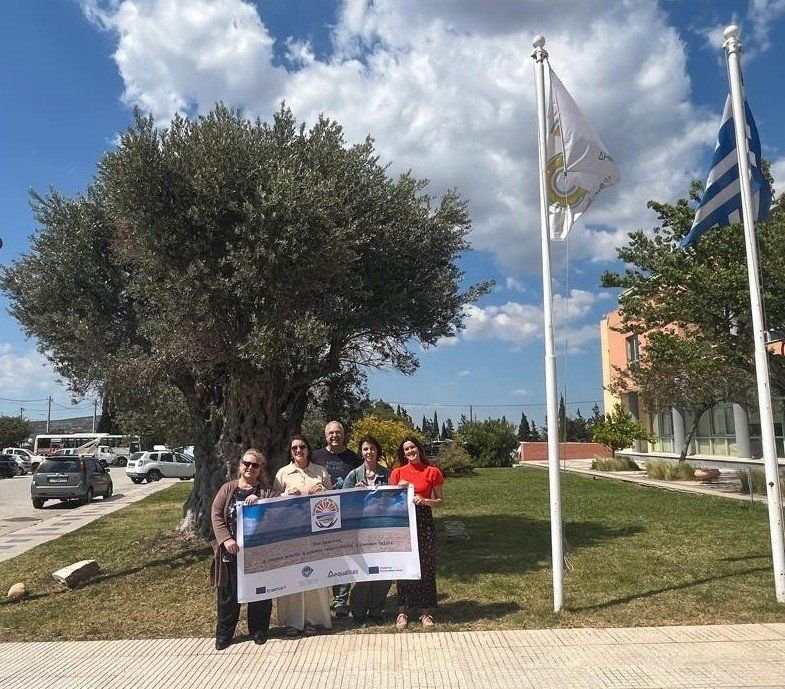
A week of synergy and active citizenship: Fotoessa hosted the Portuguese partners for meetings with scientists, local government, volunteers and citizens' movements working to protect the coasts.
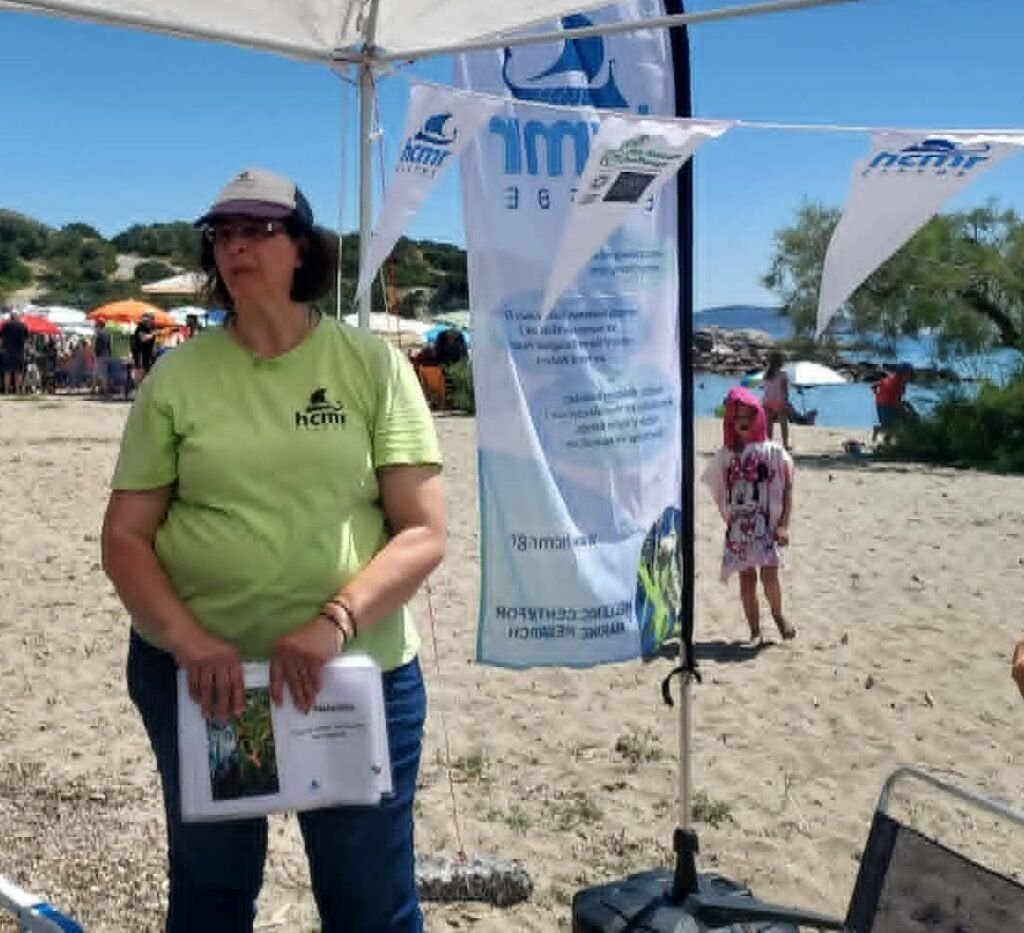
Fotoessa took part in City Nature Challenge 2026 with the Hellenic Centre for Marine Research (HCMR), with field training and two coastal biodiversity bioblitzes at the Anavyssos Salt Pans and Pefko Beach.
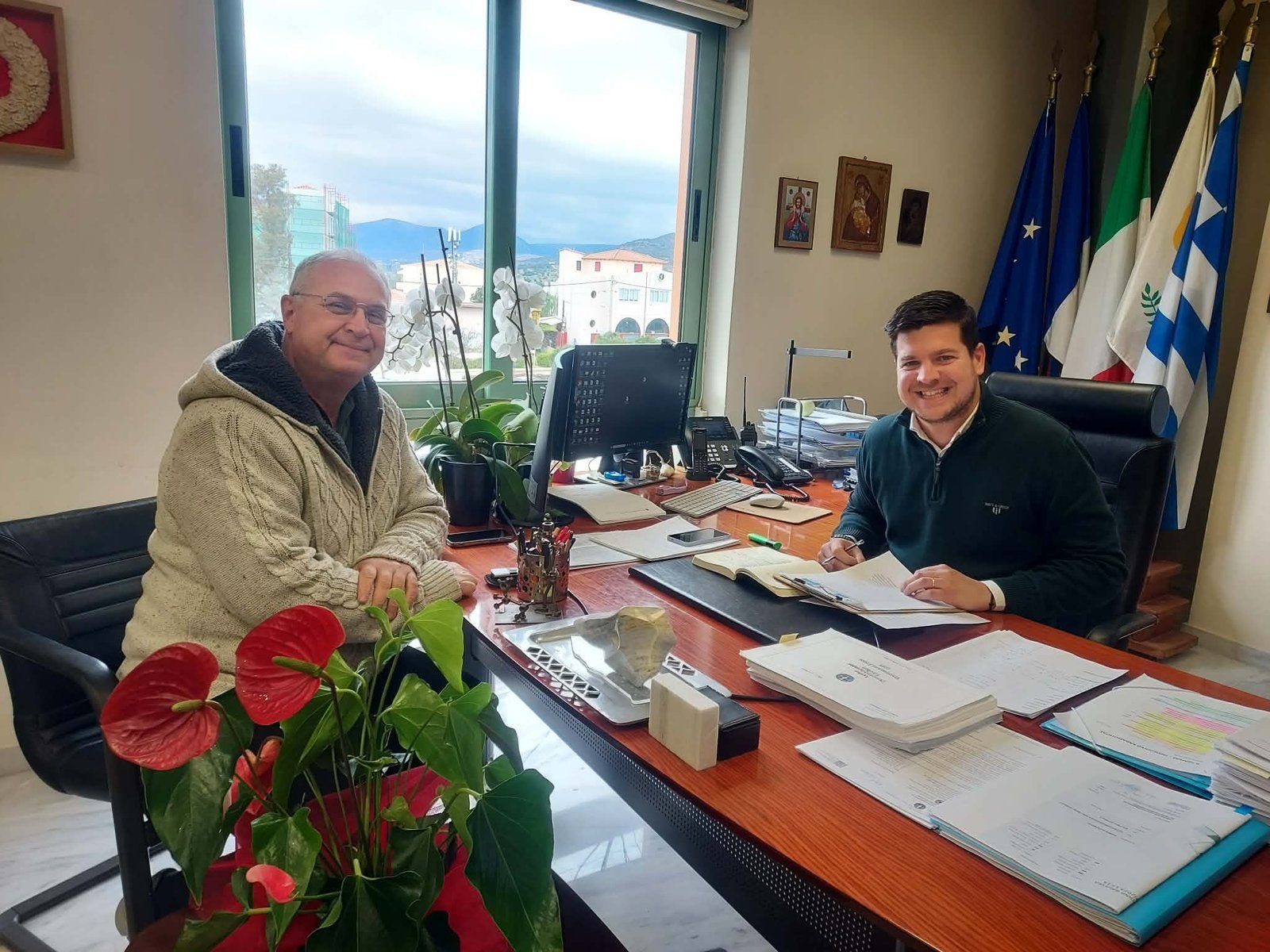
Saronikos Mayor Dimitris Papachristou speaks to the Guardians of the Coasts qualitative research on coastal protection and free access: “The constitutional protection exists, but in practice it is circumvented.”
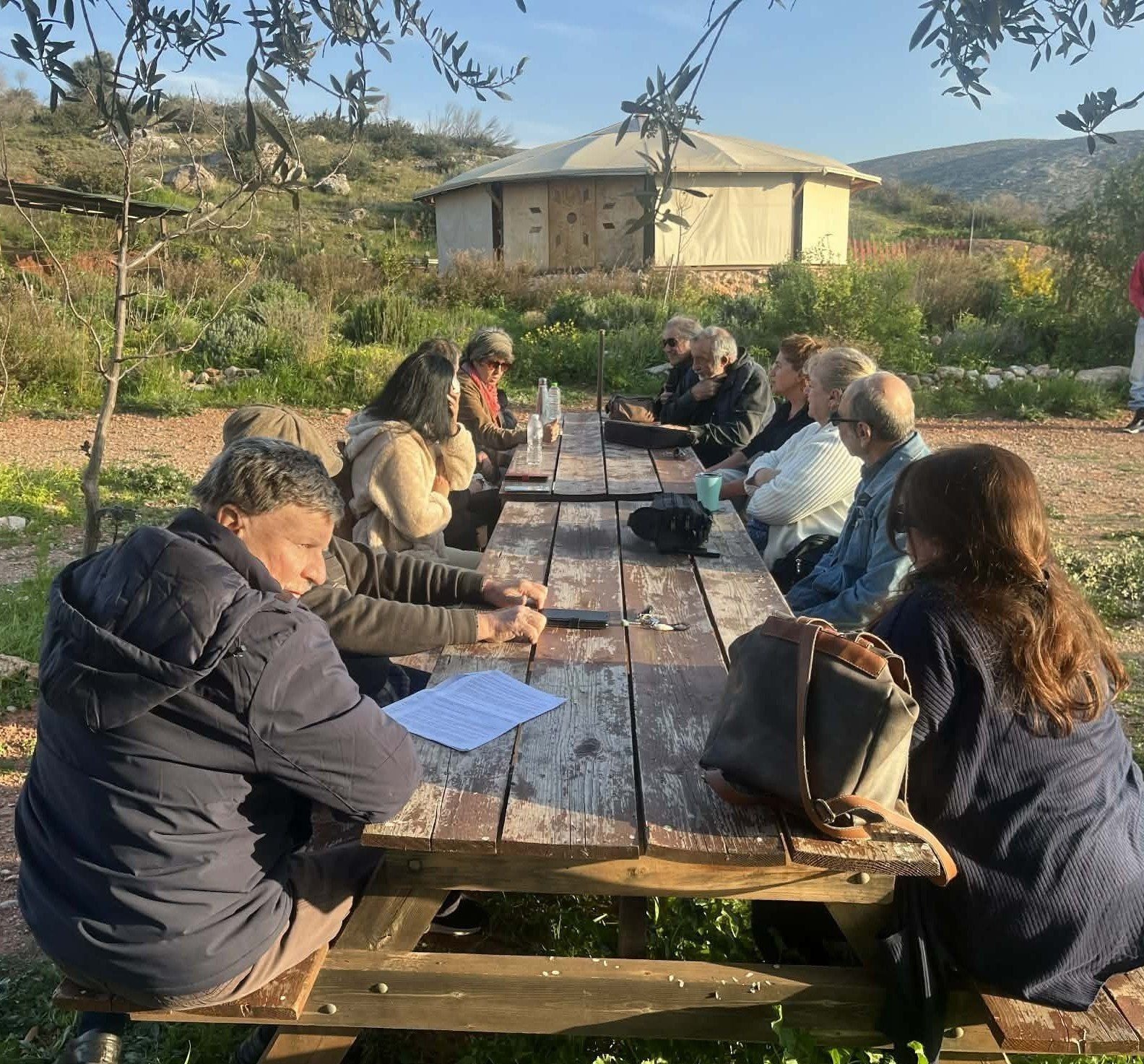
As the Municipality of Saronikos drafts its Local Urban Plan, Fotoessa joined a meeting of active citizens on local streams, beaches and the archaeological monuments of the coastal zone.
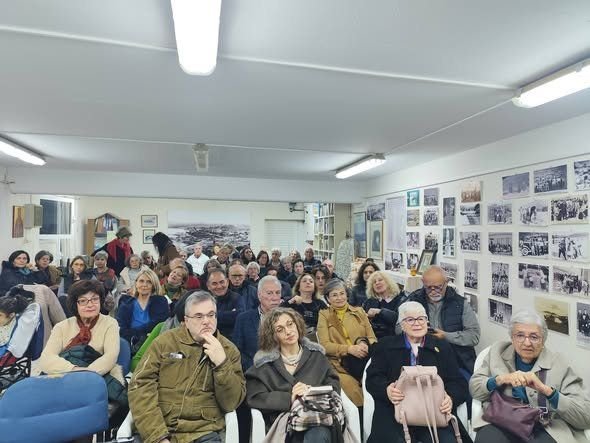
Fotoessa attended a talk in Palaia Fokaia by author and activist Giannis Makridakis on our vital relationship with the natural environment and on mobilising citizens to protect it.
Fotoessa announces the launch of the Erasmus+ project “Guardians of the Coasts”, uniting Greece and Portugal to protect the coastal environment and safeguard free, equal access to the sea for all.
Co-funded by the European Union. Views and opinions expressed are however those of the author(s) only and do not necessarily reflect those of the European Union or the Hellenic State Scholarships Foundation (IKY). Neither the European Union nor the granting authority can be held responsible for them.