Collaboration Tools

Methods for organising, cooperating and building alliances.

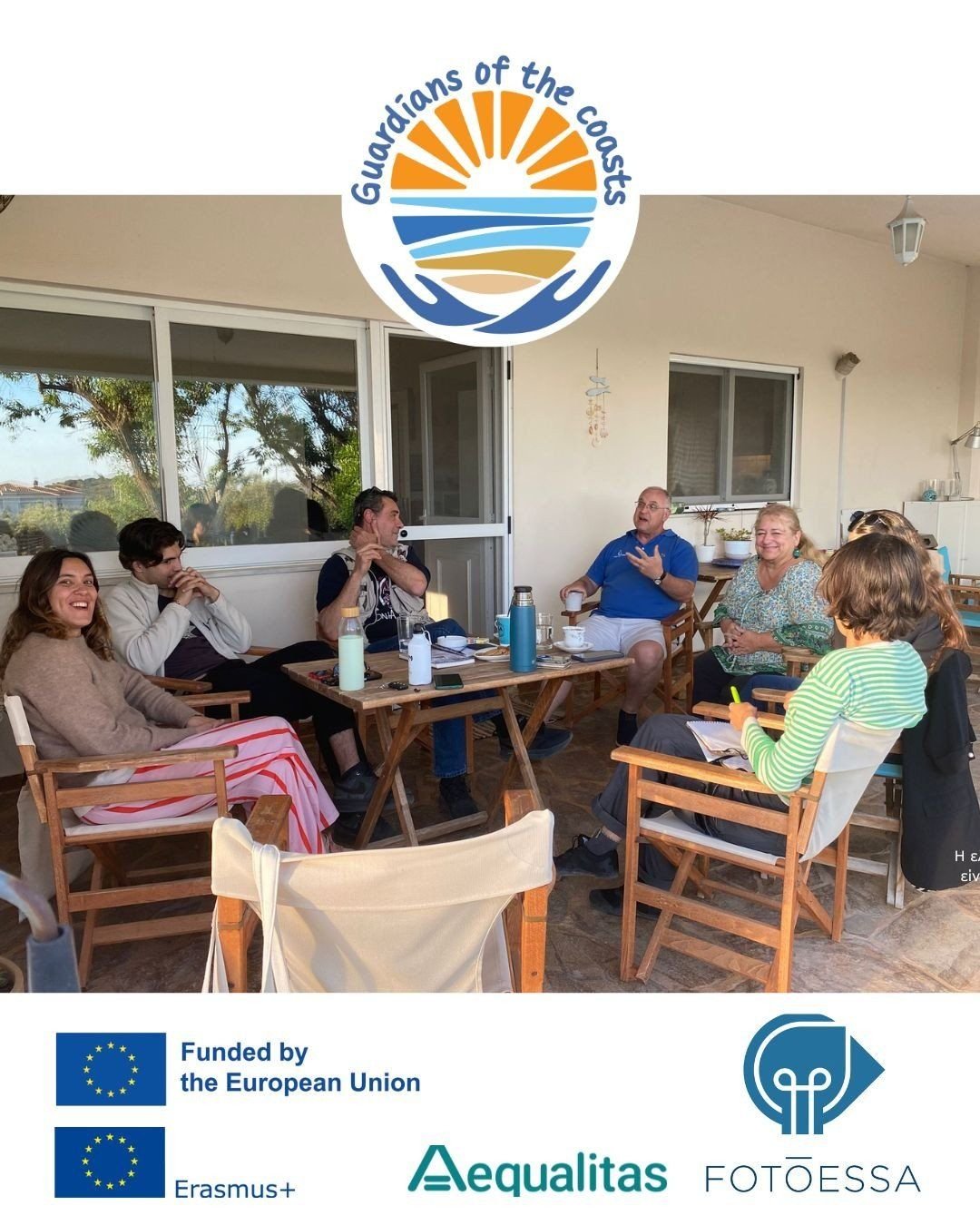
Before a group can act effectively outwards, it needs to learn to see, listen to, trust and draw on the people within it. These tools were tested in Workshops 4 and 5 with active citizens of the Saronic Gulf.

Effective feedback

Feedback that helps does not judge the person — it supports learning, cooperation and growth. It is:

  1. Specific — about something concrete, not general.
  2. Timely — given close to the event, not much later.
  3. About behaviour — what I saw or heard, not who the other person is.
  4. Respectful — said without irony or humiliation.
  5. Aimed at improvement — the goal is to help, not to hurt.
  6. Checkable and useful — about something the person can change or work on.

Boundaries, not walls

A boundary: I communicate clearly what I can do. A wall: I withdraw without communicating. Boundaries are a condition for connection, not a barrier to it.

What you will find here

  • Three questions for a new group: What do I want? What can I contribute? What do I fear?
  • “Two hands, one pencil” — a non-verbal exercise in cooperation
  • Thomas–Kilmann: five ways of handling conflict (competing, collaborating, compromising, avoiding, accommodating)
  • “A team on the verge of burnout” / “A team that endures” — role-play cards
Co-funded by the European UnionErasmus+FotoessaAequalitasImpactrip

Co-funded by the European Union. Views and opinions expressed are however those of the author(s) only and do not necessarily reflect those of the European Union or the Hellenic State Scholarships Foundation (IKY). Neither the European Union nor the granting authority can be held responsible for them.